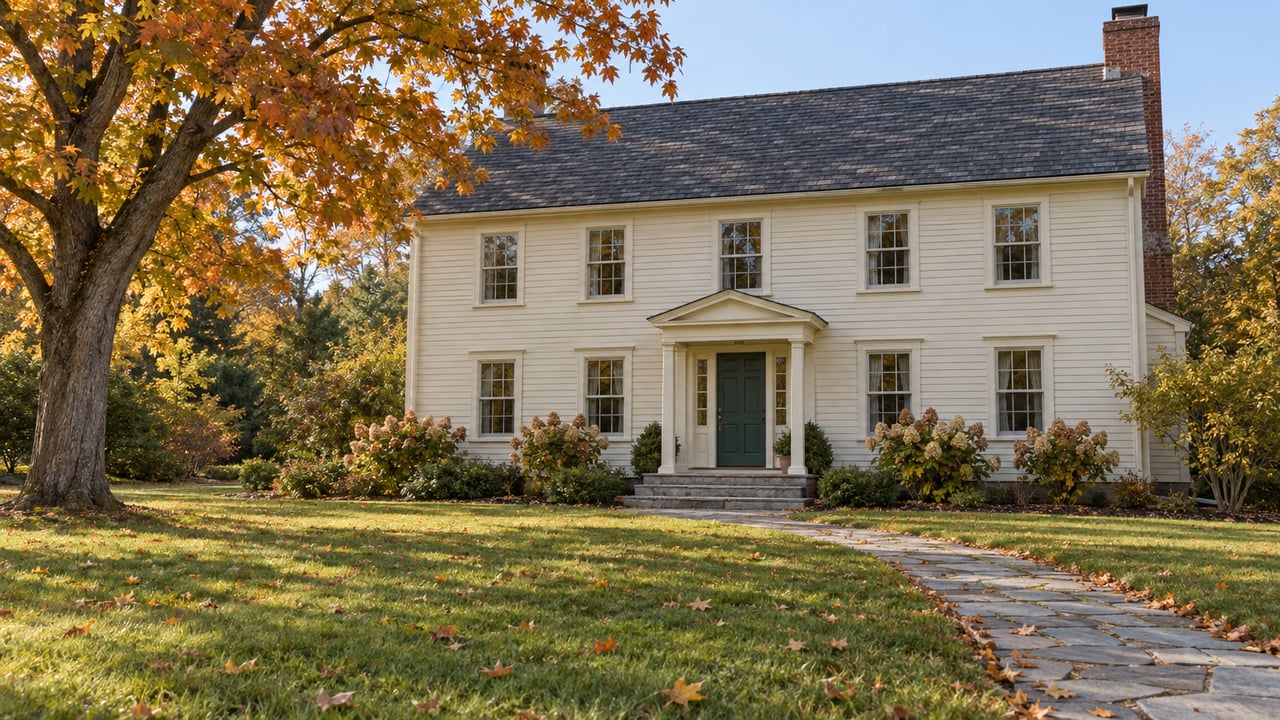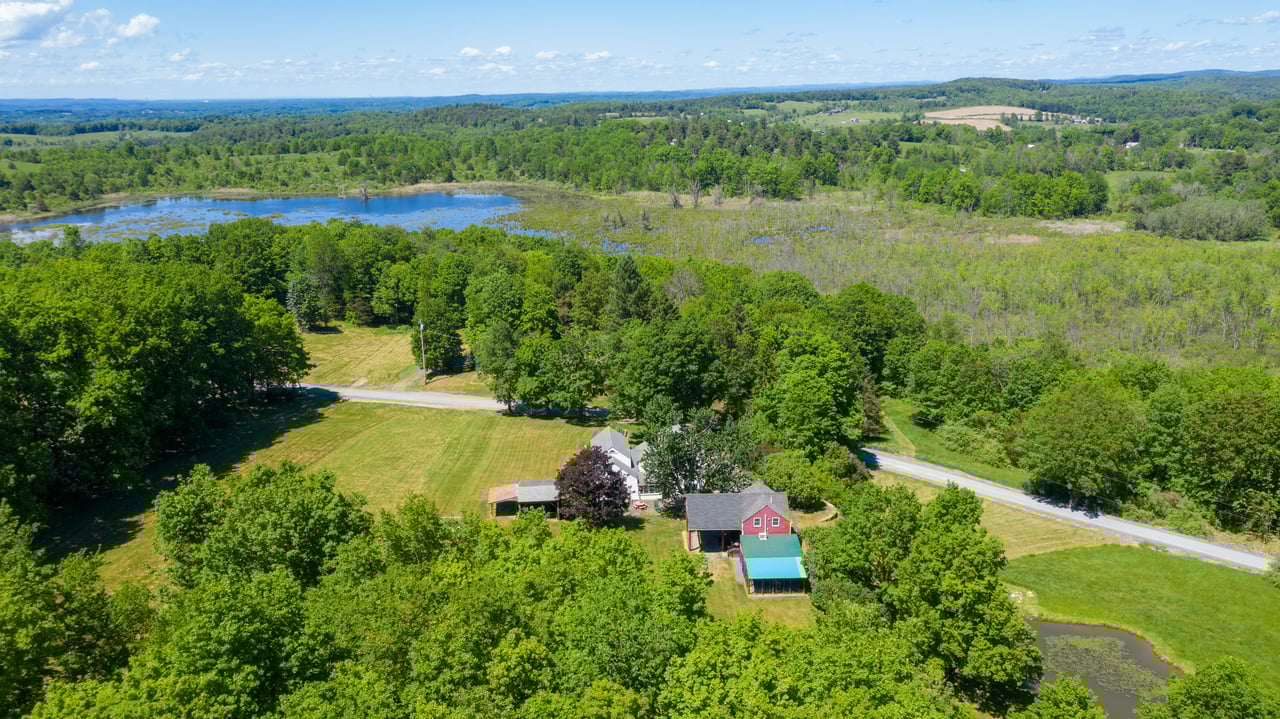
Columbia County remains one of the most unique real estate landscapes in New York. With its blend of historic village homes in Chatham and Hudson and expansive agricultural estates, a "one size fits all" pricing strategy simply does not work here. As of April 2026, the market is showing high demand, but buyers are demonstrating a sharp focus on value. If you are looking to position a property effectively this spring, consider these localized strategic pillars.
1. The "Sweet Spot" Strategy
The "Sweet Spot" is the art of identifying the precise price point that maximizes both the final sale price and the speed of the transaction. In a nuanced market like ours, this involves positioning your home slightly below the "aspirational" prices of active listings—which haven't sold yet—and closely aligning it with the most recent, verified "sold" data for comparable properties.
By hitting this mark, you appeal to the largest possible pool of active buyers who are already educated on market value and waiting for a fairly priced home to appear. Instead of overpricing and hoping for a "needle in a haystack" buyer, the sweet spot creates a sense of urgency and value, often leading to multiple inquiries and stronger offers within those critical first 14 days on the market. This strategy acknowledges the psychology of modern buyers: when they perceive a high-quality home at a fair price, they act decisively to avoid losing out to another party.
2. High-End vs. Entry-Level Dynamics
In the current market, Columbia County is experiencing a distinct "tale of two tiers." At the Entry Level (typically under $450,000), inventory remains exceptionally tight, leading to a "fast-track" environment. For these properties, a Competitive Market Pricing strategy is most effective—listing at or just a hair below market value to trigger high volume from first-time buyers re-entering the market as interest rates stabilize.
Conversely, the Luxury Tier ($1M+) is characterized by more deliberate, patient buyers looking for unique architectural character or significant acreage. Pricing here requires a Lifestyle Value approach. Since there are fewer direct "comps" for a 100-acre estate or a historic Hudson brownstone, pricing must reflect scarcity while remaining grounded in recent luxury sales data to avoid the high-end stagnation that occurs when a list price exceeds the ceiling of local appraisal values. Notably, there is currently more inventory available at this higher end of the market, meaning sellers face increased competition and must work harder to make their property stand out.
3. Inventory and the Danger of "Testing the Market"
Inventory in Columbia County has seen a 6.8% decrease year-over-year. When inventory is low, the temptation is to "test the market" with an inflated asking price. However, this often yields the opposite of the intended result due to the "Golden Window" of a listing's first two weeks.
An overpriced property frequently bypasses the most qualified buyers who have set their search filters to a specific price ceiling. As the home sits without activity, it gains a "stigma of stagnation," leading buyers to assume there is a physical defect or legal issue. This loss of leverage typically results in an eventual price reduction that must be deeper than if the home had been priced correctly at the start; effectively, the seller ends up chasing the market downward. An accurate initial price is the most efficient way to generate the competitive interest necessary to secure a high-value closing.
4. Ethical Pricing & Transparency
Ethical pricing is more than a professional courtesy—it is a foundational requirement of the Fair Housing Act and the National Association of REALTORS® (NAR) Code of Ethics. Transparency starts with an honest, data-backed assessment of value, ensuring sellers are not misled by "aspirational" figures.
Ethical pricing also means adhering to strict non-discriminatory practices, ensuring that a property's price and terms are based solely on objective market factors rather than the characteristics of the buyer or the neighborhood’s protected classes. By maintaining full transparency in how a price is derived—disclosing all material facts and providing a clear Comparative Market Analysis (CMA)—we build a culture of trust. This integrity protects the seller from legal liability and ensures a fair, open marketplace where all parties can negotiate with confidence.
The Value of Professional Guidance
Determining the right asking price is both a science and an art, requiring a deep dive into hyper-local data that goes far beyond automated online estimates. A licensed real estate agent provides an objective perspective, stripping away emotional attachment to analyze recent "sold" comparables, current inventory levels, and the specific nuances of the Columbia County market.
By trusting your agent’s expertise, you ensure your property is positioned to attract the highest number of qualified buyers immediately, protecting your equity and saving you from the stress of a stale listing. Their fiduciary duty ensures that your interests are prioritized, providing a level of ethical oversight and market insight that is indispensable in a complex transaction.
If you want to know what your property is worth or are thinking of selling, reach out to us today to find out what pricing strategy could work best for your situation.