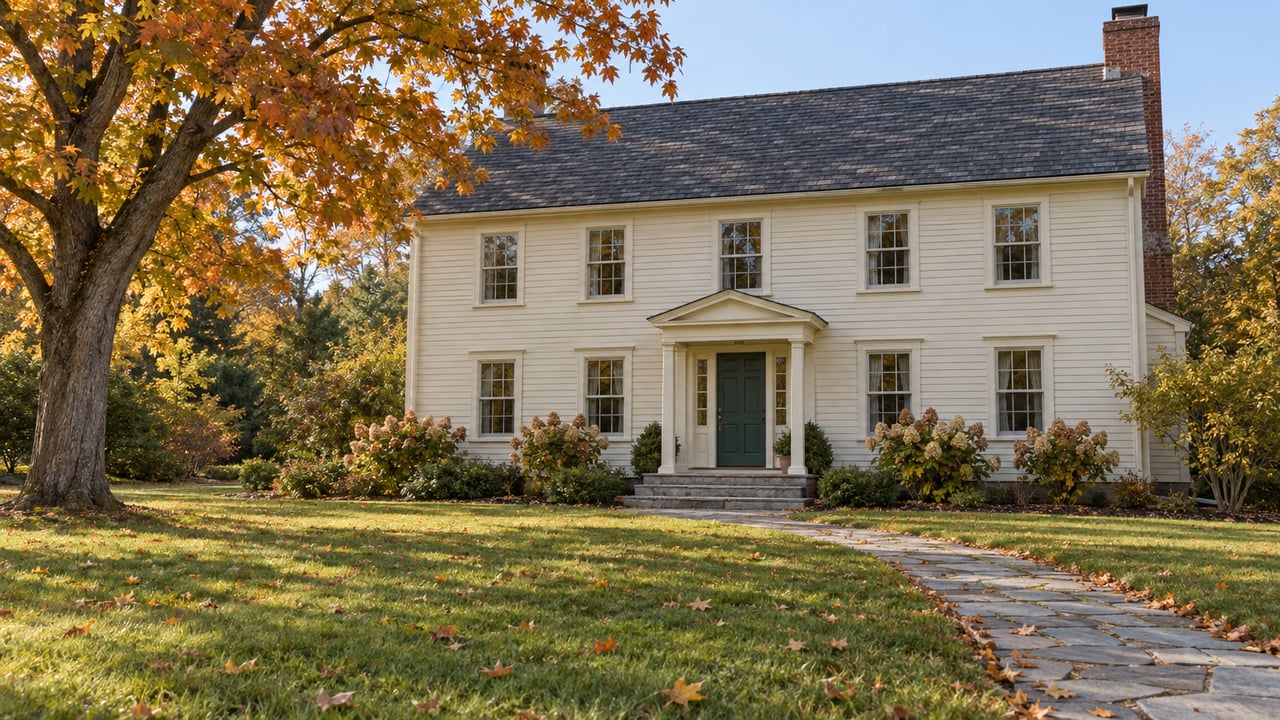
Lately, we’ve seen a recurring trend: homebuyers, frustrated by a lack of existing inventory, decide they will simply buy land and build their dream house. My advice? Not so fast. It is easy to let the emotion of a "perfect view" take over sound reasoning. Before you break ground in 2016, there is a mountain of logistics to consider.
1. The "20% Rule" of Budgeting
The first step is establishing a maximum budget for the entire project. Once you have that number, add another 20%. This is the average amount that construction projects typically go over budget. Between unexpected site conditions and material price fluctuations, that 20% cushion is your most important financial safety net.
2. The Land and the Loan
Remember to factor in the cost of the land itself, including closing costs. If you aren't paying cash, you'll likely need a construction loan. Be aware that interest rates for these loans are generally higher than standard 30-year mortgages, and the approval process is more rigorous.
3. The Hidden Costs of Infrastructure
Sellers often overlook what lies beneath (or miles away from) the house site. Your "homework" must include estimates for:
-
Site Preparation: Clearing trees, grading the land, and excavating for the foundation.
-
The Septic System: A percolation ("perc") test and Board of Health approval are required to determine the type and cost of the system you'll need.
-
The Variable Cost of Wells: Well drilling is a major "unknown." Most drillers charge per foot. While they can give you an estimate based on neighboring sites, there is no guarantee of how deep you'll have to go to find acceptable water flow.
4. Power and Landscaping
Don't forget about the "last mile" of utilities. Generally, power companies only provide the first 100 feet from the closest utility pole; the rest of the distance to your home site is your expense. Finally, consider landscaping. A landscape architect can help you budget for the necessary grading and plantings needed to protect your new foundation and curb appeal.
The Bottom Line
Doing your homework in advance will help you determine if building is a practical solution or simply an emotional response to a tight market. In 2016, these decisions shouldn't be taken lightly—preparation is the difference between a dream home and a financial nightmare.