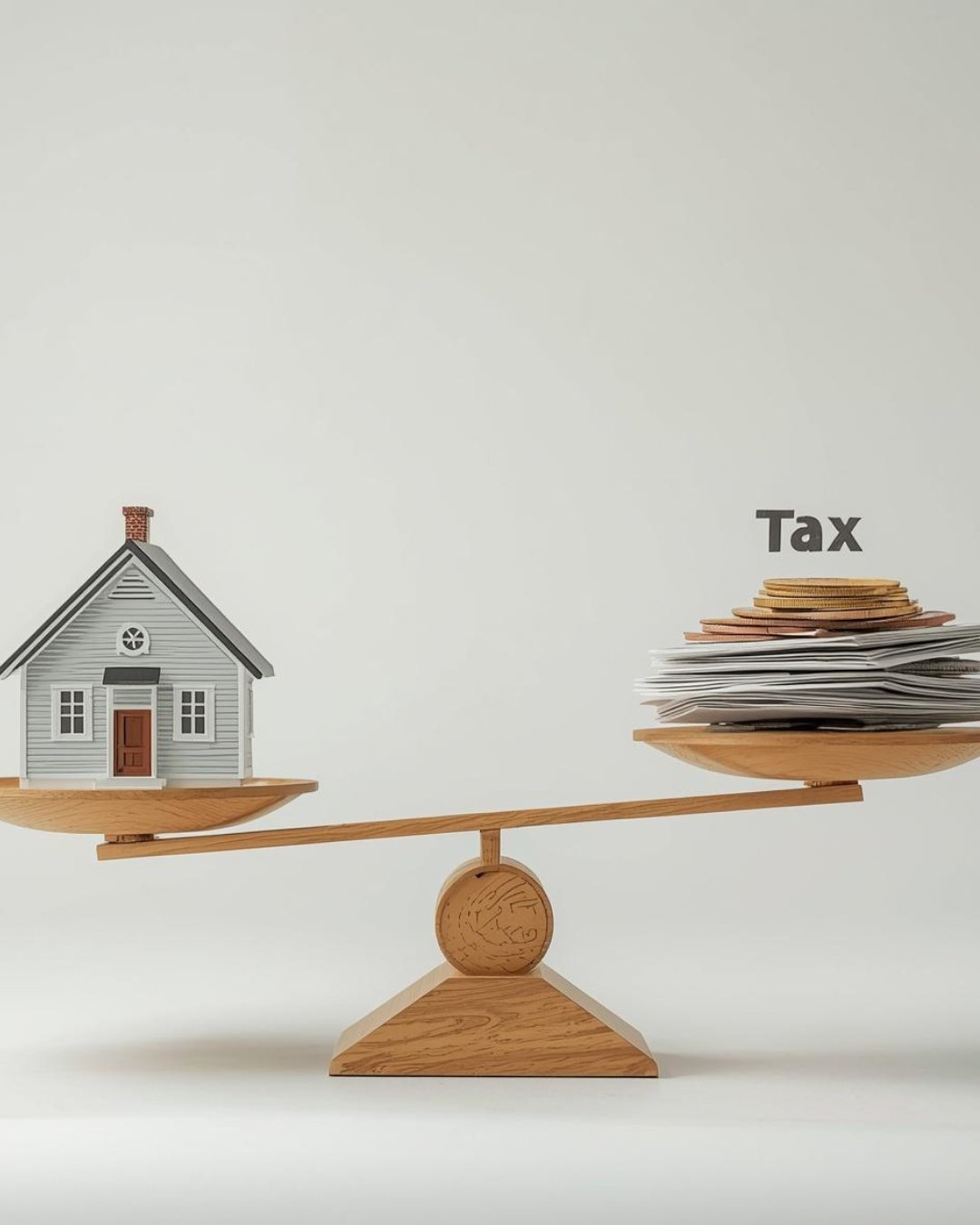
While the proposed tax reform bill is intended to stimulate the overall economy, many in the real estate industry fear its impact on housing may do just the opposite. Homeownership has long been the fundamental foundation of a strong American economy, yet several components of this reform could negatively affect the market.
The Triple Threat: SALT, Real Estate Taxes, and Interest
The current proposals include several changes that directly hit the pocketbooks of homeowners, particularly in high-tax states like New York:
-
The SALT Cap: A proposed $10,000 limit on the deduction for state and local taxes (SALT).
-
Property Tax Deductions: A reduction in the ability to claim significant real estate tax deductions.
-
Mortgage Interest Capping: New limits on the amount of mortgage interest that can be deducted from your taxable income.
The 5-Year Primary Residence Rule
One of the most concerning provisions involves the Capital Gains Exclusion. Currently, a couple can exclude up to $500,000 in gains from the sale of their primary home if they have lived there for at least two years. The new proposal seeks to increase that requirement to five years. This change could significantly reduce "mobility" in the market, as homeowners stay put longer just to avoid a massive tax bill.
Housing as an Economic Driver
While some taxpayers may see benefits from other parts of this reform, the potential damage to the real estate market could outweigh those advantages. If the financial incentives for owning a home are stripped away, we risk weakening the very foundation of our local and national economy.
Your Voice Matters
As these bills move through the House and Senate, it is vital for homeowners to stay informed. The "math" of owning a home is changing, and we must ensure that the value of homeownership remains protected.